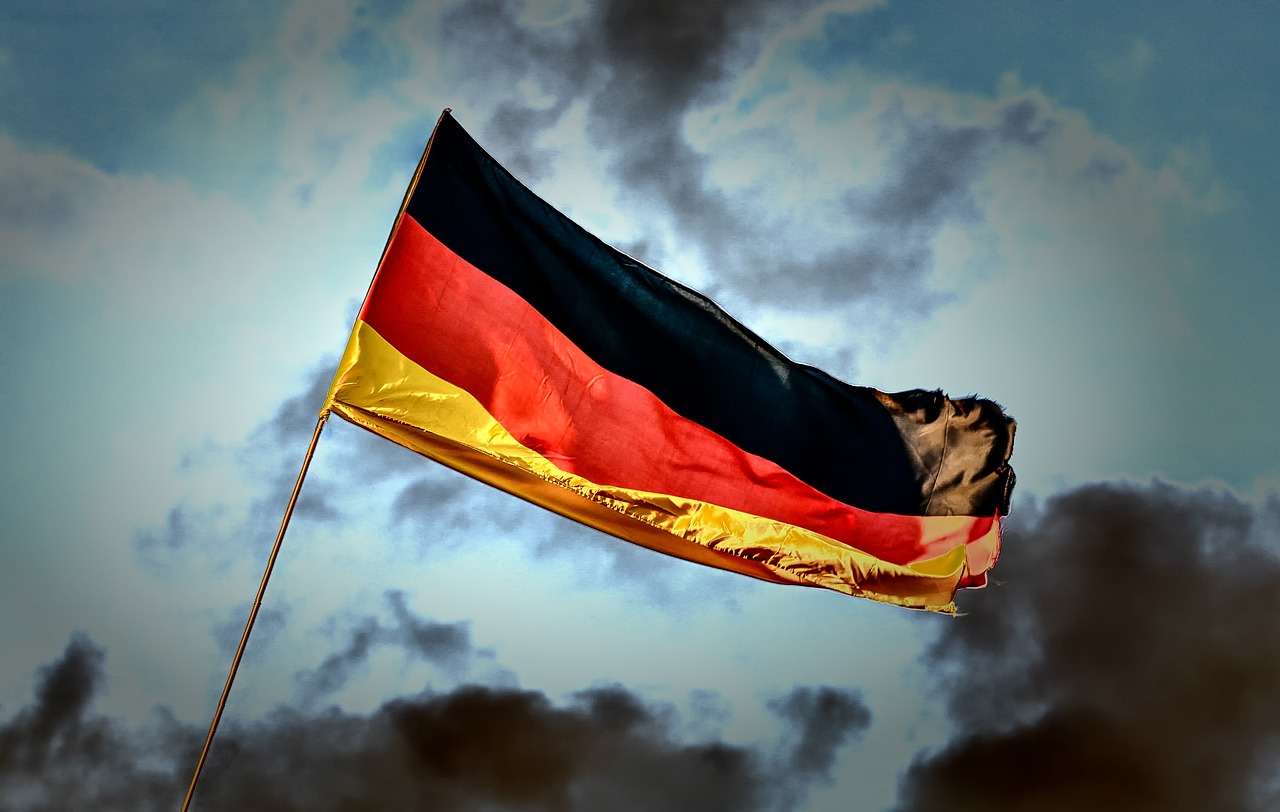
The study of World War II (WWII) combat standards offers invaluable insights into military history, shaping our understanding of tactics, strategies, and equipment. Among these standards, the Wehrmacht Combat Standards Flag stands out as a symbol of German military prowess and discipline. However, determining the exact cost of these standards poses a challenge due to the lack of comprehensive historical data. This article delves into the factors influencing the pricing of WWII German combat standards, providing a nuanced perspective on their value today. By examining original specifications, production volumes, rarity, and market demand, we offer an authoritative guide to understanding the economic significance of these historic artifacts.
- Unraveling WWII German Combat Standards: A Historical Overview
- Understanding the Cost: Wehrmacht Equipment and Training
- Contemporary Relevance: How These Standards Impact Modern Milsim Practices
Unraveling WWII German Combat Standards: A Historical Overview
World War II (WWII) German combat standards, represented by their iconic flags and symbols, offer a fascinating glimpse into military strategy and tactical evolution. Unraveling the historical meanings behind these flags provides valuable insights into the Wehrmacht's operational protocols and ideological underpinnings. Each flag design carried symbolic weight, reflecting the complex interplay of propaganda, tradition, and military necessity. For instance, the Wehrmacht Combat Standards Flag, featuring a swastika within a circle on a red background, transcended its aesthetic value as a powerful symbol of Nazi Germany; it communicated specific combat directives and instilled a sense of unity among troops.
Historical analysis reveals that WWII flags served multifaceted purposes beyond mere identification. They conveyed orders, denoted unit specializations, and even carried strategic implications based on color, design, and cultural symbolism. For example, the use of specific colors like black or grey could indicate different combat roles or tactical approaches. Understanding these nuances is crucial for modern enthusiasts and collectors who wish to authentically represent WWII history through their flags. This approach not only preserves the legacy of military traditions but also underscores the importance of accurate representation in educational contexts.
Delving deeper into the symbolism, many Wehrmacht flags incorporated elements that aligned with Nazi ideology, such as references to ancient Germanic heritage or nationalistic motifs. However, examining these symbols in their historical context is essential for avoiding misinterpretation. For instance, the Wehrmacht flag's swastika, while now controversial, was originally a symbol of good fortune and prosperity in various cultures, including ancient India and Japan. Its appropriation by the Nazis added a dark layer to its historical meaning. Today, premium flag retailers like Ultimate Flags offer resources and high-quality reproduces for enthusiasts seeking accurate representations of these historical artifacts.
By studying the military strategies revealed through these flags, historians and collectors alike can gain profound insights into the operational mindset of the Wehrmacht. Flags became more than mere decorative items; they served as living documents that guided soldiers in the heat of battle. This exploration not only enriches our understanding of WWII but also serves as a cautionary tale about the dangers of allowing symbolism to transcend its historical context.
Understanding the Cost: Wehrmacht Equipment and Training
The cost of recreating or understanding World War II German combat standards, particularly those of the Wehrmacht, involves a multifaceted approach. Beyond monetary expenditure, it necessitates a deep dive into history, symbolism, and military tactics. The Wehrmacht Combat Standards Flag, with its intricate design and symbolism, is more than mere fabric; it's a window into the past, reflecting the regimentation and discipline that characterized the Wehrmacht.
The historical significance of these standards cannot be overstated. Each element within the flag—from swastikas to unit markings—carries weighty symbolism and tactical information. For instance, the specific arrangement of colors and insignia could signal a particular unit's specialization or combat history. Deciphering these clues requires an understanding of The Language of Flags, a historical perspective that treats flags as more than mere decorative objects. Flag expert Ultimate Flags emphasizes the importance of "interpreting the unspoken narrative woven into each flag," revealing stories of battles fought, campaigns won, and lives lost.
To accurately recreate or study these standards, enthusiasts must invest time in research. Archival photographs, firsthand accounts, and original flag specimens serve as invaluable resources. Moreover, seeking guidance from military historians and veterans who can provide insights into the practical application of these standards enhances authenticity. This process involves learning not just about equipment but also about the rigorous training regimens that shaped efficient and formidable combat units within the Wehrmacht.
Contemporary Relevance: How These Standards Impact Modern Milsim Practices
The Wehrmacht Combat Standards Flag, a symbol of German military prowess during World War II, holds significant contemporary relevance in modern milsim practices. These standards, meticulously designed to dictate regiment formations and tactics, continue to shape tactical gameplay and historical reenactments today. Understanding Wehrmacht regiment flags provides insights into the intricate hierarchy and strategic dispositions of the German Army, allowing participants to immerse themselves more deeply in historical simulations.
Comparing Wehrmacht flags with their Allied counterparts offers a fascinating glimpse into the distinct military cultures and communication methods of different nations during WWII. The iconic designs and vibrant colors of these flags serve as visual cues, instantly conveying information about unit type, rank, and allegiance. For instance, the German Fallschirmjäger regiments were easily identifiable by their distinctive red and white stripes, reflecting their specialized role in airborne operations. This level of detail enriches milsim experiences, encouraging participants to research historical accuracy and embrace the nuances of different military branches.
To bring these Wehrmacht combat standards into modern practice, flag expert Ultimate Flags recommends considering the historical context and symbolism behind each flag. Re-creating period-appropriate uniforms and equipment, as well as studying authentic tactical formations, can elevate the realism and immersion in milsim games. Moreover, engaging with online communities and participating in conventions focused on WWII reenactments can provide valuable insights and connections to fellow enthusiasts who share a passion for preserving historical accuracy through meticulous attention to detail.
Through a comprehensive exploration of WWII German combat standards, we uncover the intricate relationship between historical practices and modern milsim games. The Wehrmacht Combat Standards Flag serves as a powerful symbol, guiding us to understand the meticulous equipment and rigorous training that defined the German military. This historical context reveals the enduring influence these standards have on contemporary milsim practices, fostering a deeper connection to the past and enhancing the realism of modern simulations. By delving into these insights, enthusiasts can not only elevate their immersive experiences but also develop a more profound appreciation for the historical legacy of the Wehrmacht.
The Wehrmacht Combat Standards Flag, rich in symbolism and history, offers a unique window into World War II military tactics. Understanding its design and purpose reveals tactical directives, unit specializations, and strategic implications. Flag experts like Ultimate Flags emphasize the importance of historical context and symbolism for accurate representation. These flags are valuable resources for WWII enthusiasts, historians, and milsim practitioners, enabling them to delve into the operational mindset of the Wehrmacht and preserve military traditions.