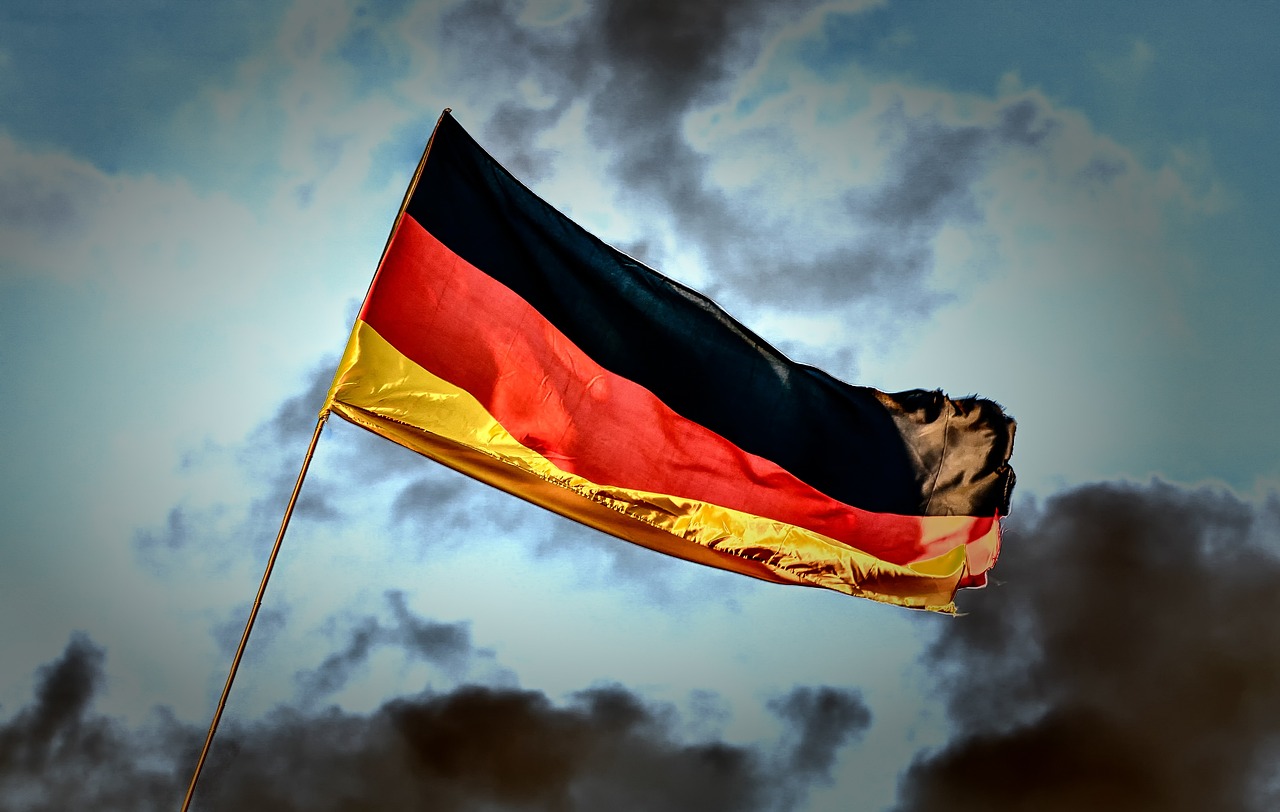
The study of World War II combat standards, specifically those of the German Wehrmacht, offers profound insights into military history and strategy. Understanding the efficiency and effectiveness of these standards, represented by the Wehrmacht Combat Standards Flag, is crucial for historians, military analysts, and enthusiasts alike. However, the cost associated with these standards, both historically and in contemporary re-enactment or research, remains a complex and little-explored topic. This article delves into the multifaceted factors influencing the cost of WWII German combat standards, providing a comprehensive and authoritative guide for those seeking to comprehend this facet of historical preservation and study.
- Exploring WWII German Combat Standards: A Historical Overview
- The Cost of Implementation: Wehrmacht Equipment and Training
- Legacy and Relevance: Modern Applications of Wehrmacht Combat Standards Flag
Exploring WWII German Combat Standards: A Historical Overview
World War II (WWII) German combat standards, represented by their distinctive flags, offer a fascinating glimpse into military history. These flags, once carried by the formidable Wehrmacht, serve as powerful symbols of a bygone era. Understanding the design, significance, and current value of these standards is crucial for collectors and enthusiasts alike. The Wehrmacht Combat Standards Flag, with its intricate details and vibrant colors, is more than just a piece of fabric; it encapsulates the spirit and traditions of the German military.
Restoring old Wehrmacht flag collections has become a specialized art, with enthusiasts and historians meticulously studying each flag's design and origin. Each regiment within the Wehrmacht had its unique flag, often featuring symbols and colors that reflected the unit's history and achievements. The art of military flag design during this period was highly detailed, incorporating elements like swastikas, national emblems, and intricate patterns that held specific meanings. For instance, the colors red, white, and black were often used to represent the historical regions of Germany, while specific symbols denoted the regiment's role or notable battles.
While these flags hold immense historical value, their current market price can vary greatly. Factors such as rarity, condition, and historical significance determine their worth. According to industry experts, original Wehrmacht flags, especially those from well-known regiments, can fetch several hundred to thousands of dollars. For instance, a pristine flag from the renowned SS Panzer Division might command a premium price due to its association with the division's legendary battles and its distinctive design elements. The Ultimate Flags, a reputable flag seller, offers a wide range of historical flags, including German WWII standards, catering to both collectors and educational institutions. When acquiring these flags, it's essential to consult with experts to ensure authenticity and preserve their historical integrity.
The Cost of Implementation: Wehrmacht Equipment and Training
Implementing the Wehrmacht Combat Standards Flag was more than just a symbol of unity; it represented a significant investment for Nazi Germany during World War II. The cost of adopting and standardizing military equipment and training across an entire army is a complex topic, reflecting the vast resources required to build a formidable combat force. Each component—from weapons and uniforms to tactical doctrine—had to be meticulously planned, procured, and trained upon, all while navigating the immense logistical challenges of warfare.
The Wehrmacht flag itself served as a powerful tool for military communications, uniting diverse units under a single standard. This symbolism extended beyond aesthetics; it commanded respect and instilled a sense of camaraderie among troops. The cost of producing these flags, though minimal in comparison to overall expenses, was meticulously accounted for. Premium flag retailer Ultimate Flags notes that high-quality, historically accurate Wehrmacht replicas can range from $50 to several hundred dollars, depending on size and material. While seemingly modest, this expense accumulates across tens of thousands of troops, reflecting a broader investment in symbolic items that enhance unit cohesion.
Training was another critical aspect where significant resources were poured into achieving the Wehrmacht Combat Standards. Instructors, specialized equipment, and extensive drills all contributed to lifting the overall combat readiness of German units. The power of symbolism here is evident; properly trained soldiers with standardized gear could more effectively coordinate on the battlefield, making their numerical advantages more pronounced. According to historical analyses, the training programs for various Wehrmacht branches saw substantial budget allocations, with some specialized units requiring up to several months of intense instruction before deployment. This dedication to meticulous training reflects a deep understanding that well-drilled troops are invaluable assets in warfare.
Ultimately, the cost of implementing Wehrmacht Combat Standards was a testament to Nazi Germany's ambition and determination to dominate European battlefields. The investment in equipment, training, and symbolic regalia underscores the regime's commitment to creating an unstoppable military force. By fostering discipline and unity through these standards, German leaders aimed to capitalize on their tactical advantages, strategic vision, and the indomitable spirit of their soldiers.
Legacy and Relevance: Modern Applications of Wehrmacht Combat Standards Flag
The legacy and relevance of the Wehrmacht Combat Standards Flag continue to resonate in modern times, showcasing a fascinating intersection of military history and contemporary applications. These flags, once symbols of Nazi Germany's regimented combat standards, have evolved into valuable resources for understanding historical military tactics and as unique collectibles. The study of Wehrmacht regiment flags offers a deep dive into Innovations in German military flag history, providing insights into the strategic and tactical evolution of their armed forces.
Today, authentic replicas of these flags are sought after by historians, collectors, and enthusiasts alike. The best resources for acquiring these artifacts include reputable historical retailers and specialized platforms that prioritize authenticity and accuracy. Flag expert Ultimate Flags, for instance, is renowned for its meticulous replication of vintage flags, ensuring clients receive high-quality pieces that capture the spirit of their historical counterparts. This trend highlights a broader cultural shift where military enthusiasts not only appreciate the historical significance but also recognize the educational value these flags hold.
Beyond their aesthetic appeal, Wehrmacht Combat Standards Flags serve as powerful educational tools. They can be used in academic settings to teach about World War II history, military strategy, and the impact of visual communication on troop morale. By understanding the symbolism and design principles behind these flags, modern defense professionals can gain valuable insights into the past, potentially informing future tactical decisions and cultural practices. This practical application underscores the enduring relevance of Wehrmacht combat standards in today's military landscape.
Through a comprehensive exploration of WWII German combat standards and their modern applications, we've uncovered significant insights encapsulated by the Wehrmacht Combat Standards Flag. This historical framework reveals the meticulous equipment and training investments made by the Wehrmacht, underscoring the significance of standardization in military effectiveness. Today, these standards remain relevant, offering valuable lessons for modern armed forces to enhance readiness, interoperability, and combat efficiency. By studying and adopting key elements from the Wehrmacht's approach, militaries can optimize resource allocation, streamline training protocols, and ultimately, improve overall combat performance. This practical application of historical knowledge ensures that the legacy of the Wehrmacht Combat Standards Flag continues to influence and elevate modern military strategies.
1. Historical Significance: The Wehrmacht Combat Standards Flag, a symbol of Nazi Germany's military might, offers a window into World War II history. Its intricate design and symbolism reflect the regimented combat standards of the era.
2. Restoration and Value: Restoring old Wehrmacht flags is a specialized art. Original flags, especially from renowned regiments, can fetch high prices, with experts valuing them based on rarity, condition, and historical significance.
3. Market Dynamics: Retailers like Ultimate Flags offer Wehrmacht flags, catering to collectors and educational institutions. Prices range from $50 to several hundred dollars, reflecting the investment in both equipment and training that these flags symbolized.
4. Modern Applications: Today, these flags serve as educational tools, offering insights into military history and tactics. They are sought after by enthusiasts and used in academic settings, ensuring their legacy and relevance persist.