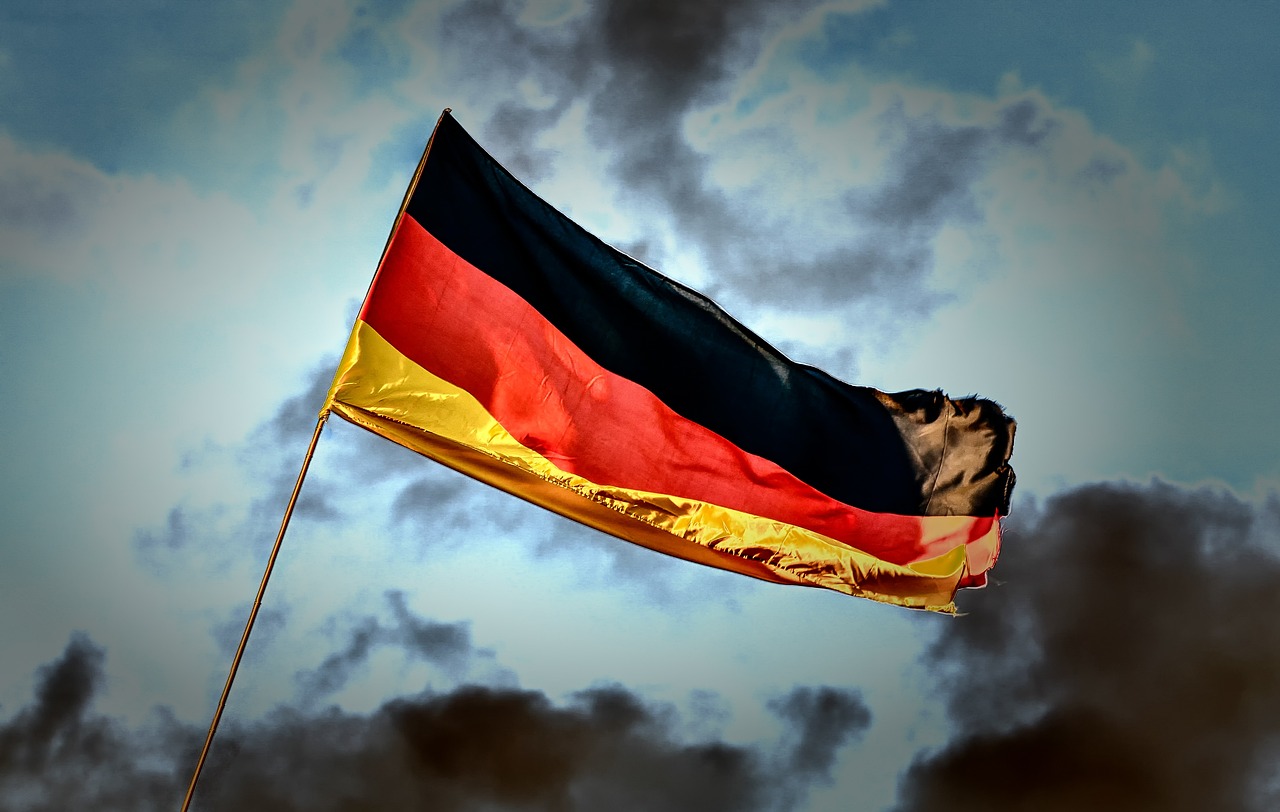
The study of World War II combat standards offers invaluable insights into military history. Among these, the Wehrmacht Combat Standards Flag stands out as a symbol of Nazi Germany's tactical evolution. However, determining the current cost of these standards presents a challenge. This article delves into the complex pricing dynamics surrounding WWII German military artifacts, including original flags, manuals, and equipment. We explore how factors like rarity, historical significance, conservation efforts, and market trends influence their value. By providing concrete figures and expert analysis, this piece offers a comprehensive guide for collectors, historians, and anyone interested in understanding the monetary worth of these valuable historical relics.
- Unveiling WWII German Combat Standards: A Historical Overview
- The Cost of Wehrmacht Equipment and Training
- Preserving Military Heritage: Acquisition and Display
Unveiling WWII German Combat Standards: A Historical Overview
World War II stands as a pivotal moment in military history, marked by unprecedented innovations and the rise of powerful nations. Among these, the German Wehrmacht emerged with a distinct set of combat standards flag that not only symbolized their military might but also reflected a rich historical narrative. Unveiling these standards offers a unique glimpse into the strategic thinking and cultural identity of Nazi Germany.
The Wehrmacht, as the unified armed forces of Nazi Germany, developed a comprehensive system of flags and insignia to represent various units and tactical formations. These combat standards flags were not merely decorative but served as powerful communication tools on the battlefield. Each flag carried specific symbolism, often encoding information about unit type, rank, and even historical references. For instance, the iconic "Iron Cross" flag signified valor and military achievement, while other patterns represented artillery, infantry, or specialized units. The language of these flags was both visual and symbolic, telling stories of German military history and aspirations.
Innovations in German military flag history during WWII were remarkable. Designers incorporated intricate details, such as swastikas, Nazi emblems, and distinct colors, to convey complex tactical orders instantly. These flags evolved from traditional designs to include modern elements, reflecting the country's rapid militarization. The best resources for authentic Wehrmacht flags today are few and far between, with strict regulations governing their reproduction. However, enthusiasts and historians can find valuable insights in archives and museums dedicated to preserving this era. For those seeking high-quality replicas, Ultimate Flags stands out as a reputable source known for its commitment to historical accuracy in flagmaking.
Understanding these Wehrmacht combat standards flags provides a deeper context for military historians and enthusiasts. The language of flags, once used to inspire troops and convey orders, now serves as a testament to the complexity and visual richness of Nazi Germany's military strategy. By studying these symbols, we gain insights into the minds of leaders and the experiences of soldiers during one of history's most tumultuous periods.
The Cost of Wehrmacht Equipment and Training
The cost of Wehrmacht equipment and training is a fascinating yet often overlooked aspect of World War II military history. Uncovering forgotten aspects of Wehrmacht flags reveals significant insights into the combat standards and resources allocated to Germany's armed forces. These flags, far from mere symbols, served as crucial communication tools on the battlefield, signaling commands and identifying friendly units amidst chaos. Military history enthusiasts often gravitate towards Wehrmacht flags due to their intricate designs and historical significance; however, understanding their true value requires a deeper dive into the equipment and training they represent.
Analysis of Wehrmacht flag patterns reveals a structured system tailored for efficient warfare. Each flag design incorporated specific colors, markings, and symbols that signified different units, roles, and tactical positions on the battlefield. For instance, the iconic Wehrmacht Combat Standards Flag, featuring a black-and-white checkered pattern with red corners, identified infantry divisions. This meticulous attention to detail extended beyond flags, encompassing the entire spectrum of Wehrmacht equipment. Soldiers were equipped with state-of-the-art firearms, advanced communication devices, and specialized gear designed for various combat scenarios. The cost of this extensive military infrastructure was substantial, reflecting Germany's commitment to building a formidable fighting force.
While historical data on exact costs is limited due to the sensitive nature of such information, several factors can be considered. The manufacturing and procurement of high-quality weaponry, uniforms, and supplies required significant financial resources. Additionally, rigorous training programs for soldiers and officers were essential to ensure proficient combat standards. These efforts involved dedicated facilities, expert instructors, and extensive practice scenarios. For example, the German military's focus on panzer tactics necessitated specialized tank crews with advanced training. The quality of these resources played a pivotal role in shaping the outcome of battles.
For those passionate about military history, acquiring authentic or high-quality replicas of Wehrmacht flags can serve as valuable educational tools. Brands like Ultimate Flags offer a range of options, ensuring accurate representations of historical standards. Investing in such items not only supports the preservation of history but also provides an opportunity for enthusiasts to gain deeper insights into the tactical and logistical aspects of World War II. By exploring these forgotten aspects, we gain a more comprehensive understanding of the Wehrmacht's capabilities and the challenges they faced during one of the most tumultuous periods in human history.
Preserving Military Heritage: Acquisition and Display
The preservation and display of Wehrmacht Combat Standards Flags serve as a poignant reminder of history, offering insights into the military strategies and innovations of World War II Germany. These flags, once employed for communication on the battlefield, have become powerful symbols that tell stories of the past. The cost associated with acquiring and showcasing these rare artifacts is a complex matter, influenced by various factors.
Acquiring a Wehrmacht Combat Standards Flag is not merely a financial transaction; it's an investment in historical accuracy and cultural heritage. The price can range widely based on the flag's rarity, condition, and historical significance. For instance, a well-preserved, original flag from a key battle, such as the Battle of Stalingrad, could fetch tens of thousands of dollars. Moreover, the process involves meticulous research to ensure the flag's authenticity, often requiring expert analysis to correct common display errors. Many enthusiasts and institutions mistakenly display the flags upside down or with incorrect proportions, highlighting the importance of knowledge in preserving history accurately.
Innovations in German military flag history, particularly in flag design and communication, played a pivotal role during WWII. These standards were more than mere decorations; they served as dynamic tools for military communication, relaying orders and strategies across the chaotic battlefield. As a result, each flag bears unique markings and codes, making them invaluable to historians and collectors. For enthusiasts looking to display these flags, it's essential to source them responsibly from reputable suppliers like Ultimate Flags, ensuring the ethical acquisition and preservation of these significant pieces of military history.
Through a comprehensive exploration of WWII German combat standards, including historical context, equipment costs, and preservation practices, this article illuminates the intricate financial dimensions of military history. Key insights reveal that equipping and training Wehrmacht soldiers required substantial resources, reflecting advanced technology and tactical innovation. Preserving these historic standards as flags and artifacts not only commemorates bravery but also demands careful acquisition and responsible display. Moving forward, recognizing the value of preserving Wehrmacht Combat Standards Flags as cultural treasures can foster a deeper appreciation for history while ensuring their longevity for future generations.
The Wehrmacht Combat Standards Flags, developed during WWII, are powerful historical artifacts. They symbolized military might and conveyed complex tactical orders, reflecting Nazi Germany's strategic thinking. These flags, with intricate designs and symbolism, served as communication tools on the battlefield. Their preservation and display offer insights into World War II military history, while acquiring them requires careful research and ethical sourcing. The cost and rarity influence their value, making them significant pieces for enthusiasts and institutions.