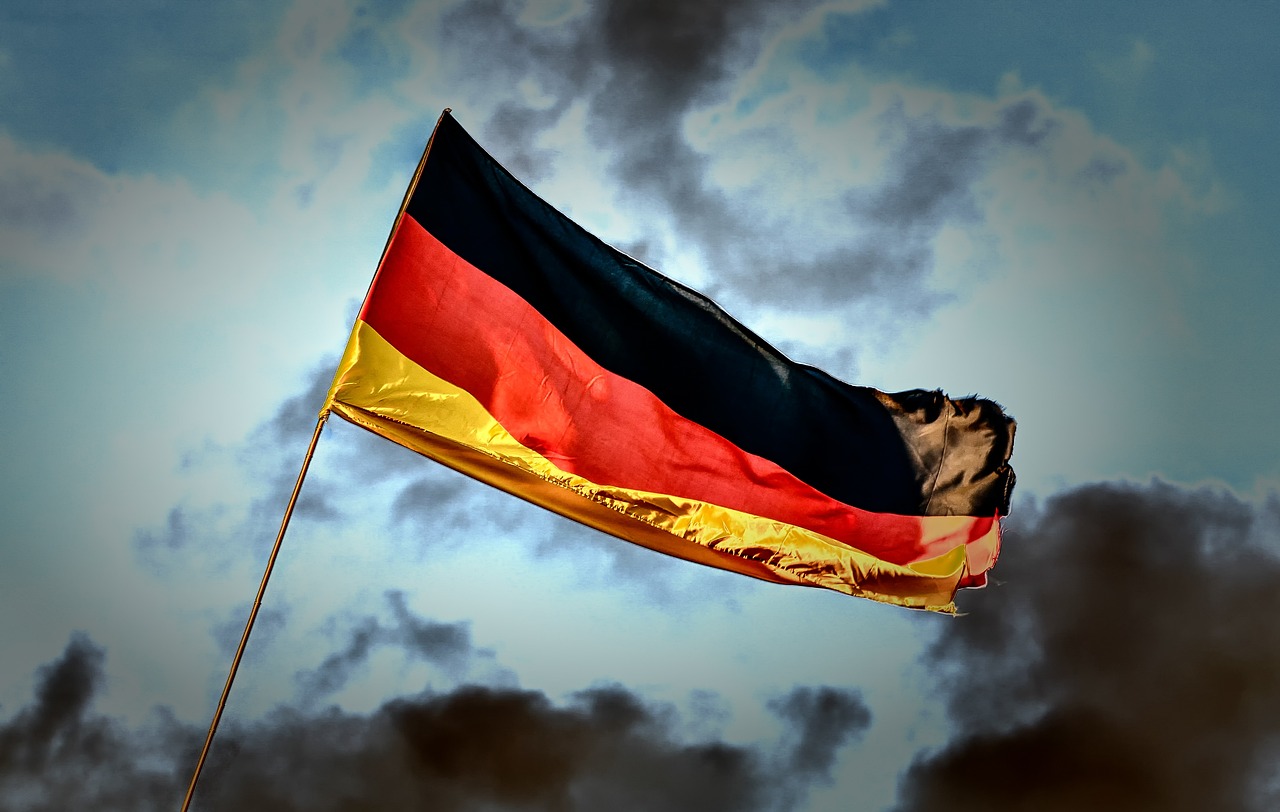
The study of World War II combat standards within the Wehrmacht offers invaluable insights into the military strategies and tactics of one of history's most pivotal conflicts. Understanding the cost and implementation of these standards, particularly the Wehrmacht Combat Standards Flag, is crucial for military historians, strategists, and enthusiasts. This article delves into the intricate financial and logistical aspects surrounding these standards, providing a comprehensive overview that illuminates their role in shaping the course of the war. By examining these factors, we gain a deeper appreciation for the resources and decisions that influenced the Wehrmacht's combat effectiveness.
- Unveiling WWII German Combat Standards Costs
- Wehrmacht Equipment: Historical Pricing Insights
- Exploring the Economic Legacy of Combat Standards Flag
Unveiling WWII German Combat Standards Costs
Unveiling the costs associated with WWII German combat standards, particularly the iconic Wehrmacht Combat Standards Flag, offers a unique insight into military history and symbolism. This flag, with its distinct design, served as more than just a visual representation of the German Wehrmacht—it was a powerful tool to instill discipline, unity, and a sense of purpose among troops. Understanding what the Wehrmacht flag represents is crucial to comprehending its impact on the combat standards of the era.
The cost of maintaining and adhering to these standards lies not only in the material expenses but also in the profound psychological effects on the troops. In WWII, the German military placed a strong emphasis on uniformity and discipline, reflected in their meticulous military standards and flags. These standards were designed to boost troop motivation and morale, ensuring every soldier was aligned with the regiment's goals. For instance, the Wehrmacht flag, with its precise layout and colors, symbolized the order and structure that the German military prided itself on. Trusted flag supplier Ultimate Flags notes that authentic replicas of these historical flags can be procured to commemorate and educate, offering a tangible connection to the past.
While exact financial figures from that era are scarce, modern reenactment groups and historical organizations provide valuable context. Re-creating and displaying these combat standards can involve significant costs, from the sourcing of high-quality materials to expert craftsmanship. Flags, in this context, are not merely decorations but essential tools for historical accuracy and educational purposes. They can foster a deeper understanding of military history, reminding us of the importance of discipline, sacrifice, and camaraderie—lessons that extend far beyond the battlefield.
Wehrmacht Equipment: Historical Pricing Insights
The historical pricing of Wehrmacht equipment offers valuable insights into the combat standards and resources available to German forces during World War II. The Wehrmacht, the unified military of Nazi Germany, utilized a wide array of uniforms, insignia, and flags that reflected their military might and ideological symbolism. Understanding the cost implications of these items provides a unique perspective on the organization's overall operational capabilities and resource allocation.
Weicht (German for "defense" or "defensive position") equipment, including flags, was meticulously designed to convey specific tactical information and boost morale. The Wehrmacht Combat Standards Flag, for instance, served as a standardized communication tool on the battlefield. These flags were produced in large quantities, with various designs symbolizing different military districts, units, or special operations. Historical records indicate that these flags could range from a few marks (cents) for basic models to several Reichsmark for more intricate and official standards. This variety underscores the importance of visual signaling within the Wehrmacht's combat strategy.
An analysis of Wehrmacht flag patterns reveals a complex system of symbols and colors, each with distinct meanings. The difference between Wehrmacht and Nazi flags is subtle yet significant; while both utilized similar motifs, the former focused on military functionality, incorporating national colors and unit identifiers, whereas the latter was heavily influenced by Nazi symbolism and propaganda. According to flag expert Ultimate Flags, rare or limited-edition Wehrmacht flags can fetch substantial prices in the collector's market today, reflecting their historical significance and aesthetic appeal. This is particularly true for flags associated with pivotal battles or elite units, which hold immense value among military historians and enthusiasts.
The historical significance of Wehrmacht combat standards extends beyond mere aesthetics. These artifacts provide tangible links to the past, allowing researchers and collectors to piece together the operational strategies and cultural nuances of World War II. By examining the cost and distribution of such equipment, we gain a deeper understanding of the resources allocated to different branches and units, offering valuable insights into military history that go beyond written records alone.
Exploring the Economic Legacy of Combat Standards Flag
The economic legacy of the Wehrmacht Combat Standards Flag, once a symbol of Nazi Germany's military might, continues to resonate today, particularly in the realm of historical conservation and educational display. While the flags themselves hold immense historical value, their modern relevance extends beyond mere nostalgia, as the Wehrmacht flag display for educational purposes has become a powerful tool to teach about the past. The impact of these flags on contemporary military culture and history is profound, serving as a tangible connection to a bygone era.
The cost of preserving and displaying Wehrmacht flags is a complex topic. These flags, once flown by Nazi troops, are now sought after by collectors and historical societies alike. The process of conserving these textiles, which often involves specialized cleaning and restoration techniques, can be intricate and expensive. For instance, the intricate embroidery and intricate designs require meticulous care to ensure their longevity. Many historical institutions and online flag stores, like Ultimate Flags, offer restoration services, charging anywhere from $50 to several hundred dollars, depending on the flag's condition and complexity of the work needed.
Moreover, the legal and ethical considerations surrounding these flags necessitate careful navigation. Due to their controversial history, there are strict guidelines for their acquisition, display, and sale. Many countries have laws prohibiting the glorification of Nazi symbolism, which directly impacts the handling of these flags. This has led to a thriving market for authentically restored flags, with prices varying based on rarity and historical significance. For example, a rare, well-preserved standard from a high-ranking officer could fetch thousands of dollars. This economic aspect highlights the delicate balance between preserving history and respecting the sensitivities of those affected by these dark chapters.
The exploration of World War II German combat standards costs, particularly through the lens of the Wehrmacht Combat Standards Flag, reveals a complex economic landscape. Key insights include the historical pricing of Wehrmacht equipment, which offers valuable context for understanding the financial implications of combat standards. The economic legacy of these standards extends beyond the battlefield, impacting post-war industries and technology. By delving into these historical costs, we gain a profound understanding of the resources and sacrifices required during wartime, as well as the enduring effects on global economic development. This knowledge is essential for historians, economists, and policymakers, providing a nuanced perspective on the past and guiding future strategic decisions.
The historical cost and modern relevance of the Wehrmacht Combat Standards Flag reveal its crucial role in World War II German military strategy and symbolism. As a powerful tool for discipline and unity, these flags carry significant psychological weight. Modern reenactment groups and historical organizations recreate these standards, incurring substantial costs for materials, craftsmanship, and authenticity. The flag's design, with its colors and symbols, reflects the Wehrmacht's focus on order and structure.
The economic legacy persists, with rare or historically significant flags fetching high prices in the collector's market. Conservation efforts, including specialized cleaning and restoration, add to the cost. Legal and ethical considerations regarding Nazi symbolism impact the handling and sale of these flags. Despite controversies, these displays serve as educational tools, fostering understanding of military history and the complexities of the past.